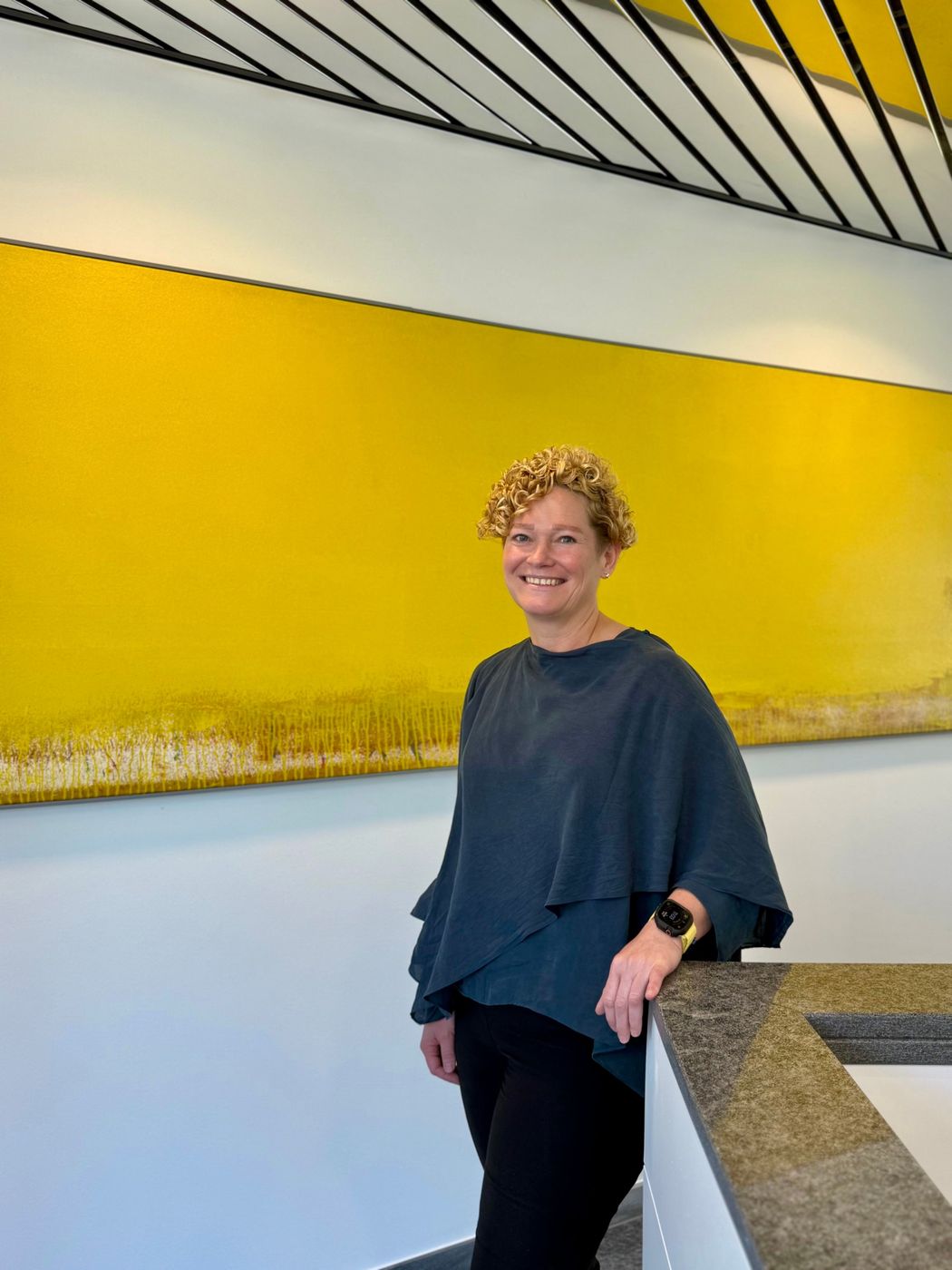
Angela M. Schmidt, smiling, in front of a large yellow painting.

Angela M. Schmidt

Corporate communications and crisis governance. The person behind chilichoc.

People don't expect perfect answers. They expect presence, clarity and direction.

Twenty years of international communications, across Switzerland, Colombia, Nigeria and Germany, taught me one thing above all: the first perspective is rarely the only one worth considering. I'm analytical, but I still trust my intuition. Experience has shown me when to question the numbers, when to trust a pattern, and when to challenge the question itself. What drives me is the point where communications and crisis governance meet: the moment an organisation is under pressure and needs clarity, structure and sound decisions. That's also when independent judgement matters most: when the obvious answer may not be the best one.

Calm is not a temperament.
It is a structure.

Crisis governance

Prepared before pressure

Crises rarely begin with alarms. They begin with a message on a phone, often on a Saturday morning.

I built Kuehne+Nagel's first global incident and crisis management framework, and I lead it. Speed in a crisis doesn't come from improvisation. It comes from preparation, and from the discipline to pause before you act. The first account of what happened is rarely the full picture. Acting quickly matters. Understanding what you're acting on matters more.

As a trained mediator, I look for the interests behind positions before a conflict hardens. In a crisis, most disagreements are less about facts than about what each side stands to lose.
Editorial and social media

Attention is not yet impact

I set up Kuehne+Nagel's first digital newsroom. It wasn't created by mandate but out of necessity: with more than 90,000 colleagues in around 100 countries, content needs one place where it comes together.

I built the social media strategy, and we consolidated hundreds of LinkedIn and Facebook accounts into one. It took more than a year and a lot of convincing. Today, more than 1.5 million people follow it. But reach was never the goal. The more interesting question is what those numbers actually mean.

The goal was relevance: a voice people turn to when they want to understand global trade, and stories that show how much of daily life depends on logistics. Like the coffee in your cup this morning: grown on a hillside in Colombia, shipped across an ocean, roasted in Europe, and on your table before you've thought about the route.

Leadership

A clear view, early

"What do we say?" is rarely the right first question. I'd rather ask what we know, what we're assuming, and what we might be missing.

What if the answer isn't a solution, but a set of options? I believe good advice makes choices visible, including the uncomfortable ones. Decision-makers need to understand what's at stake, where each option leads, and what they may be overlooking. Sometimes that means speaking up before the direction is set.

Across cultures

What reassures in Zurich can unsettle in Abuja

In Abuja, I led communications for one of West Africa's largest private companies, through a rebranding and in a complex political and security environment. In Colombia, I helped companies expand into European markets, where the business case was the easy part and the cultural context was not.

Both experiences taught me to be wary of universal answers. What looks like resistance from one perspective may be a perfectly rational response from another. And what works at headquarters doesn't necessarily make sense on the ground.

Understanding the difference is not simply a matter of cultural sensitivity. It can determine whether a decision works at all.

Structure is never enough.
People make it work.

Off the record

I stop for the signs along the way

As a child, I refused to watch the news in my pyjamas. I was convinced the presenters could see me. My perspective on that has changed. My curiosity hasn't.

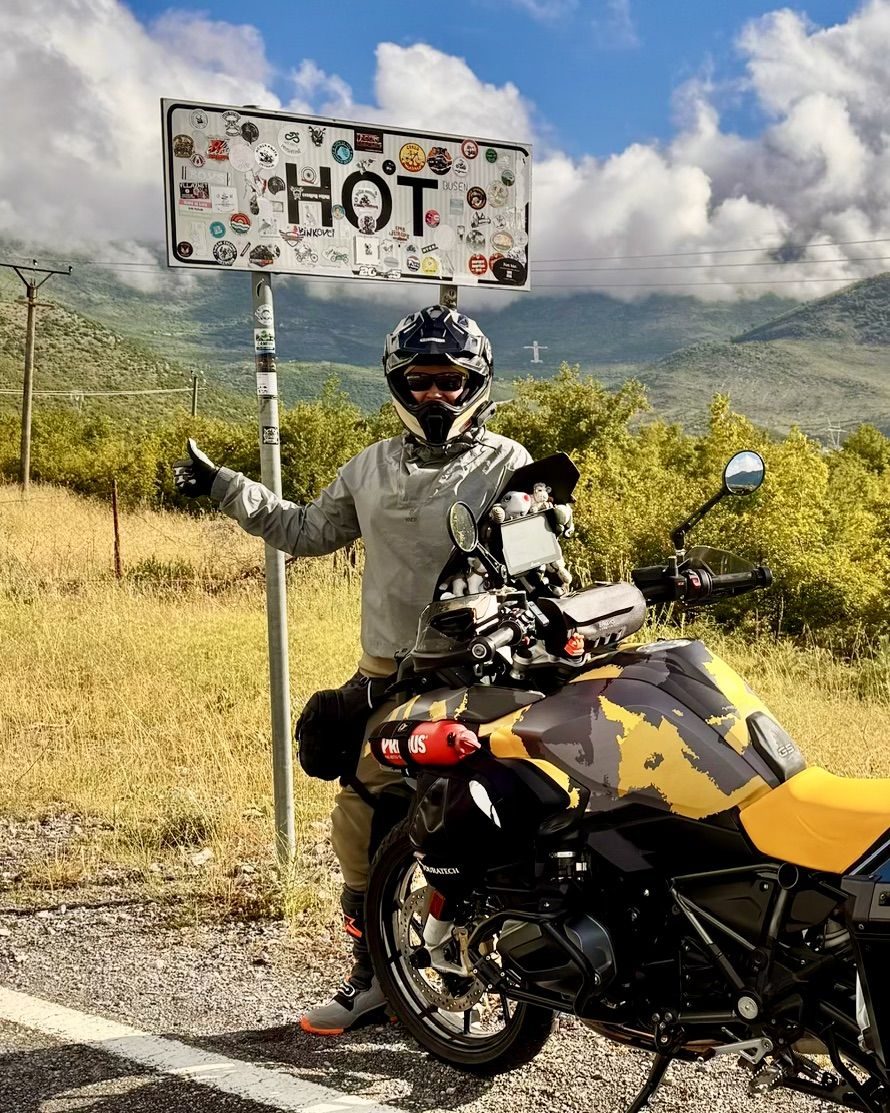
I have always travelled off the beaten track. I backpacked across Latin America and cycled in Africa. Today I ride an adventure bike, to the North Cape, across Europe and on trails in Colombia, preferably on side roads. The detours are often more interesting than the destination.

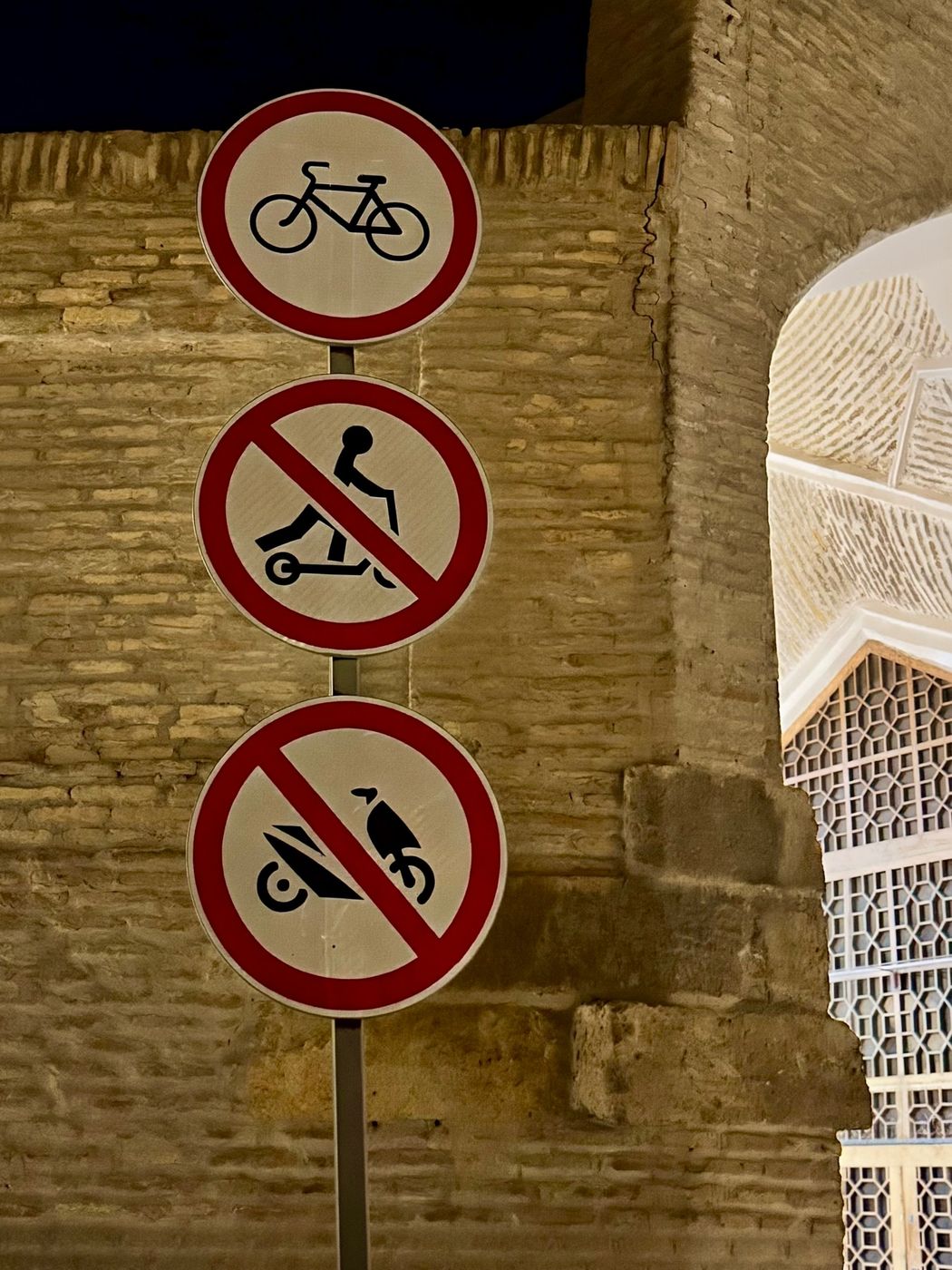
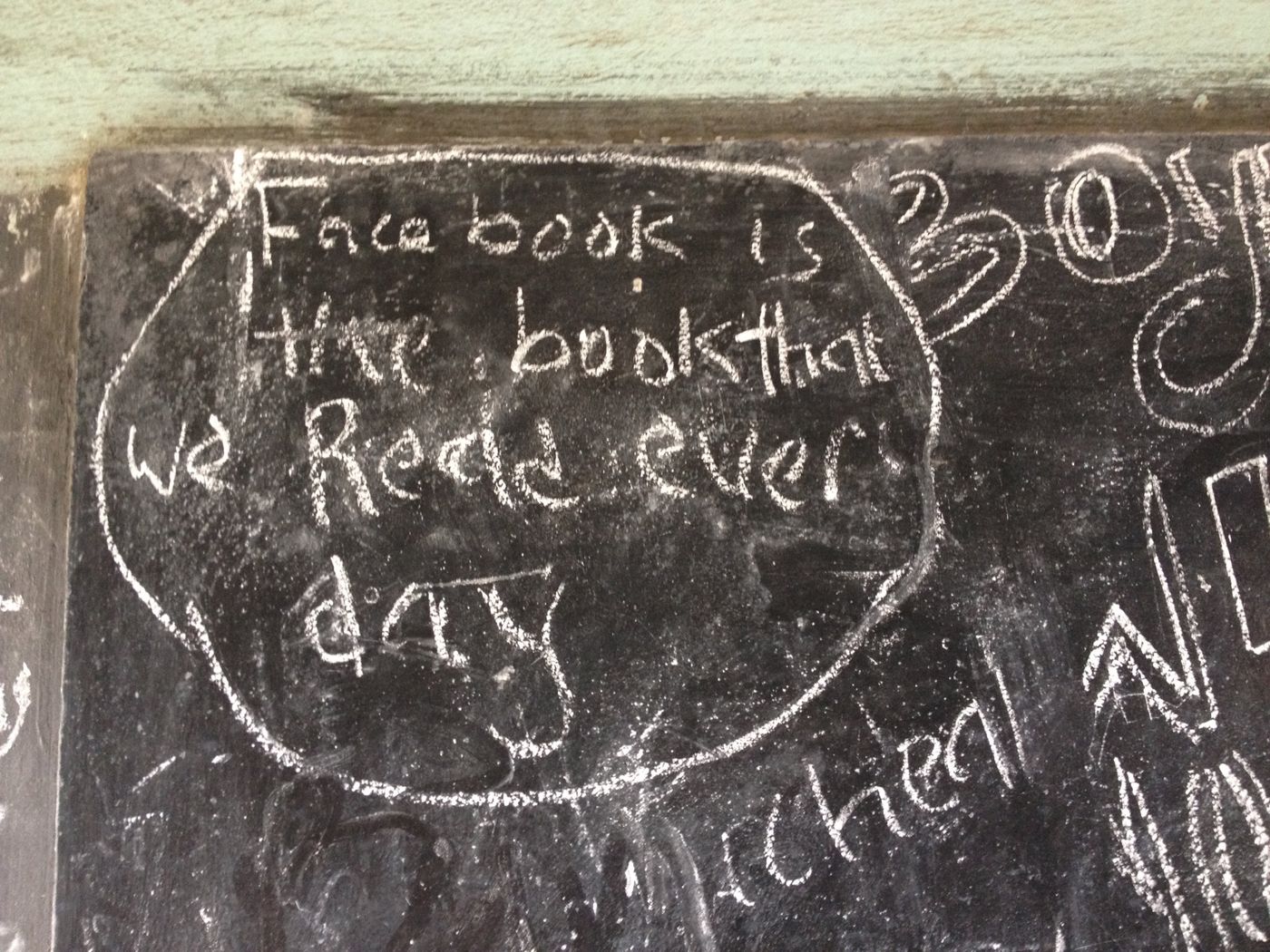
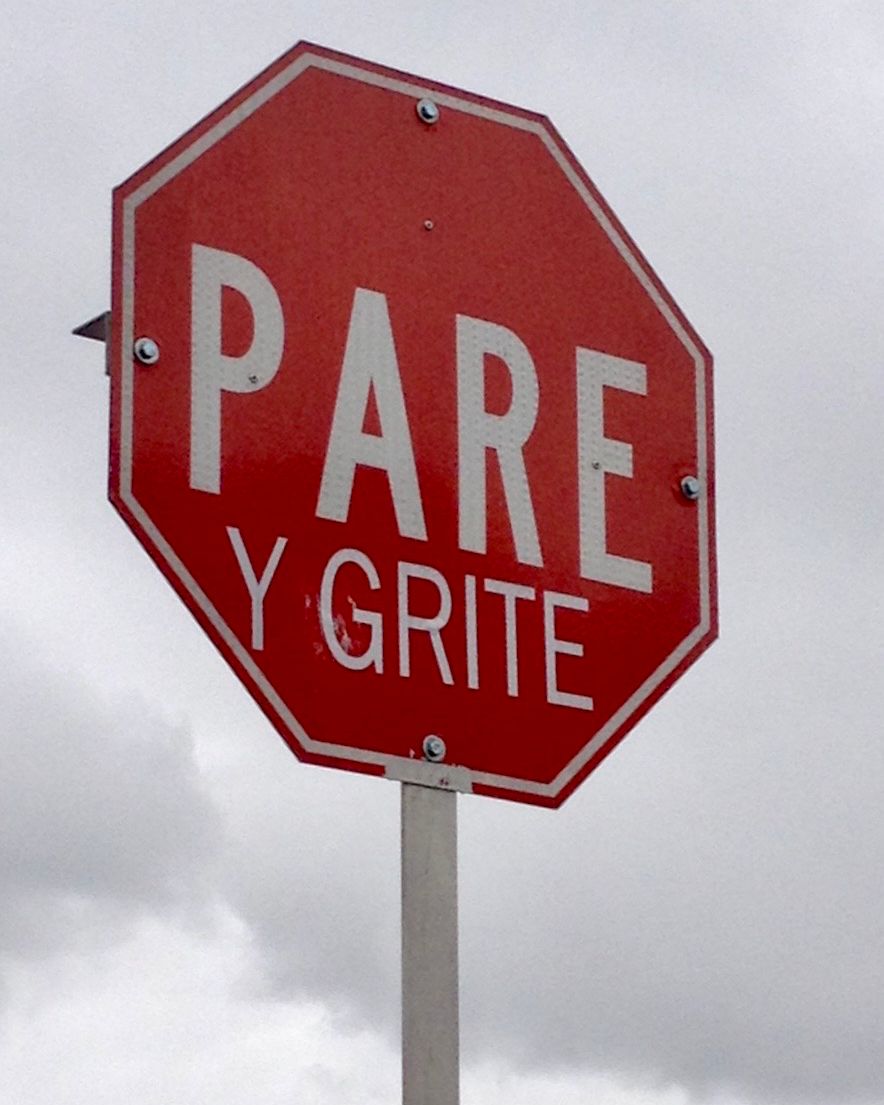
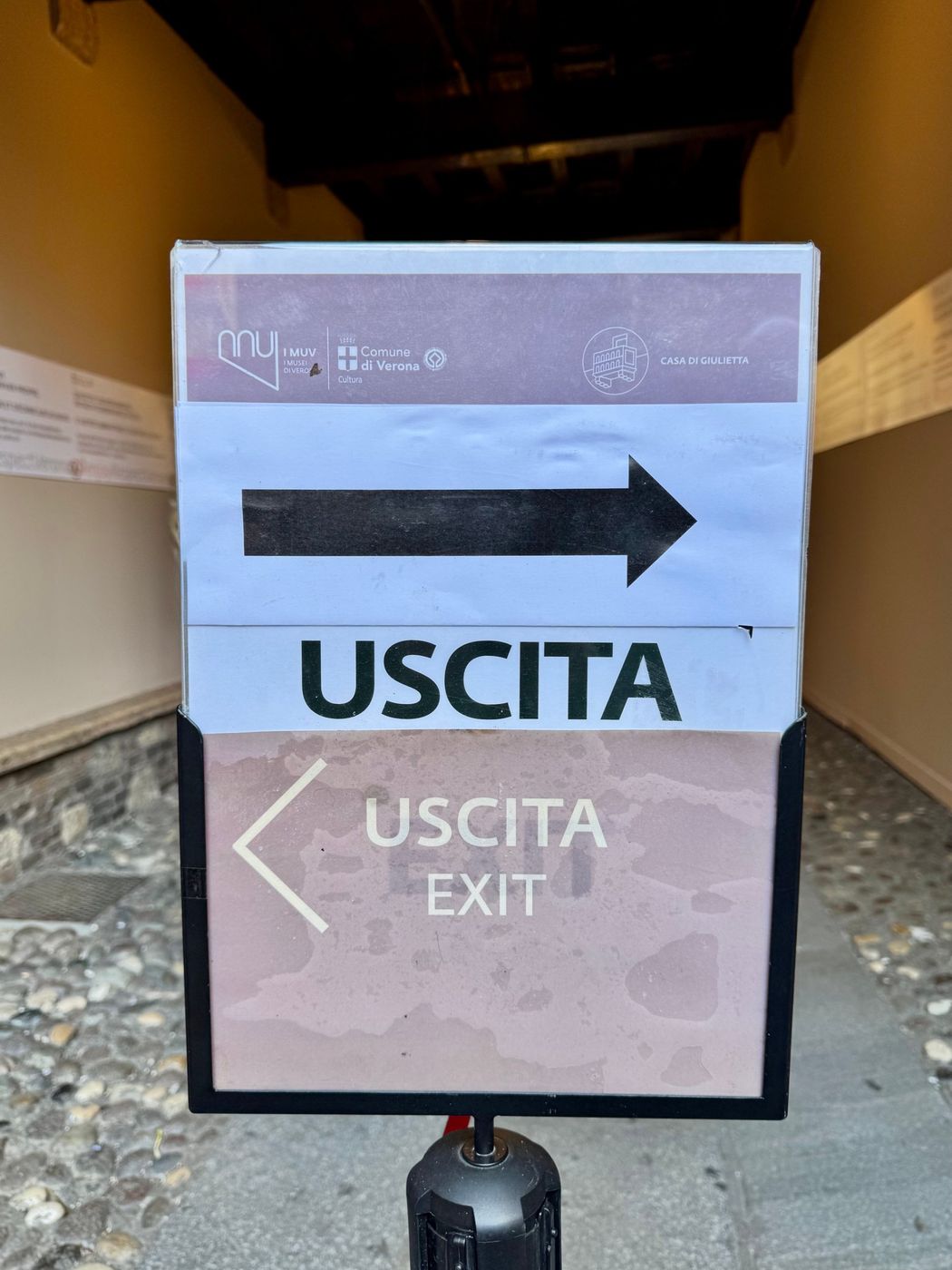
Travelling slowly shows me what others pass without stopping. The signs I photograph usually say more than they meant to. The full stories are on LinkedIn.

On the record

Said, written, published

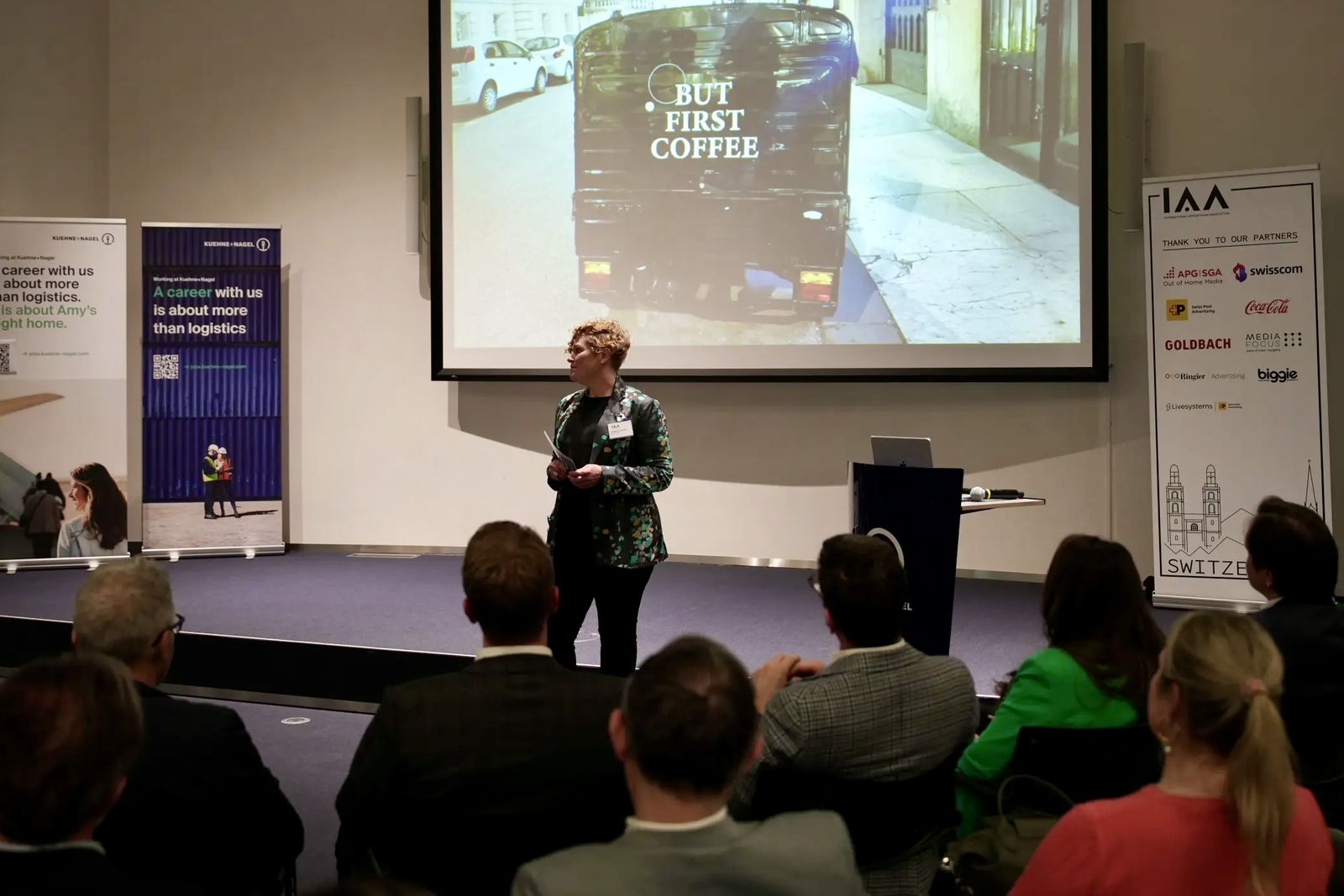
I give talks and moderate panels in English, Spanish and German, on crisis, communication and culture. I'm interested in the questions behind the familiar answers, especially when communication, culture and judgement collide. Usually with signs on the slides.

Angela speaking on stage in front of an audience. The slide behind her shows a van with the words But first coffee.
From crisis to clarity, IAA event in Switzerland.
  • TalkFrom crisis to clarityWhy speed in a crisis comes from preparation, and what a Saturday breakfast has to do with it. IAA event in Switzerland.
  • EventKolumbien: Land der Farben und KlängeInitiated, organised and opened with the main talk: an afternoon on Colombia beyond the clichés. Kulturverein Rothenthurm, 2018.
  • EssayWhat if the answer isn't a solution?On options, judgement, and a roundabout in Colombia. Read the essay
  • ArticleI did itOn learning to ride, the North Cape, and what I call honest trust. Read on LinkedIn
  • PressUnser Newsroom ist aus der Not entstandenInterview in Schweizer Journalist:in 02/2026, series Corporate Newsrooms. Read the English summary on LinkedIn